

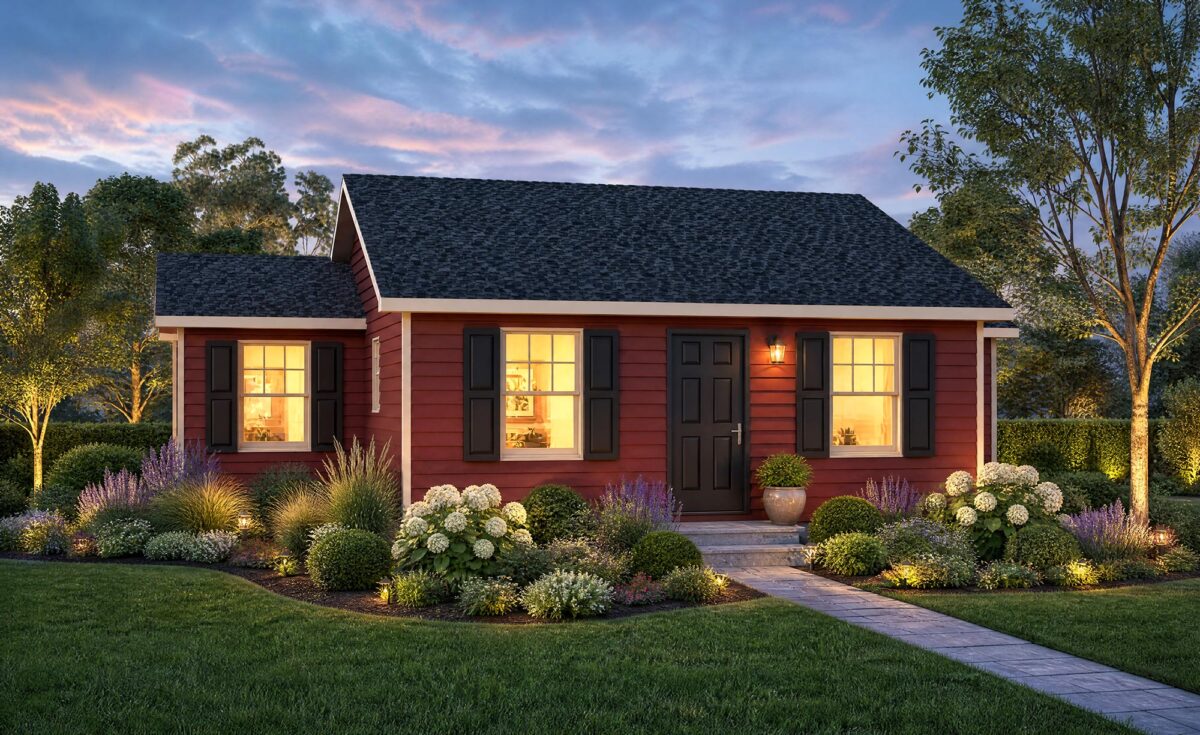
ADUs have gained lots of interest in the past few years, as they provide a compelling option for homeowners to increase their property value, provide an additional income stream, or help provide housing for aging parents or adult children.
ADUs Designed for the Way You Want to Live
Create more room for family, flexibility and the future
An accessory dwelling unit—often called an ADU, in-law suite or accessory apartment—can add comfortable, independent living space to the property you already love.
Coyle Homes designs and builds high-quality ADUs for homeowners throughout Fairfield County, Connecticut, and Westchester County, New York. Whether you’re making room for family, planning for changing needs or exploring your property’s possibilities, we have the experience that can bring your vision to life.
Let’s explore what’s possible on your property.
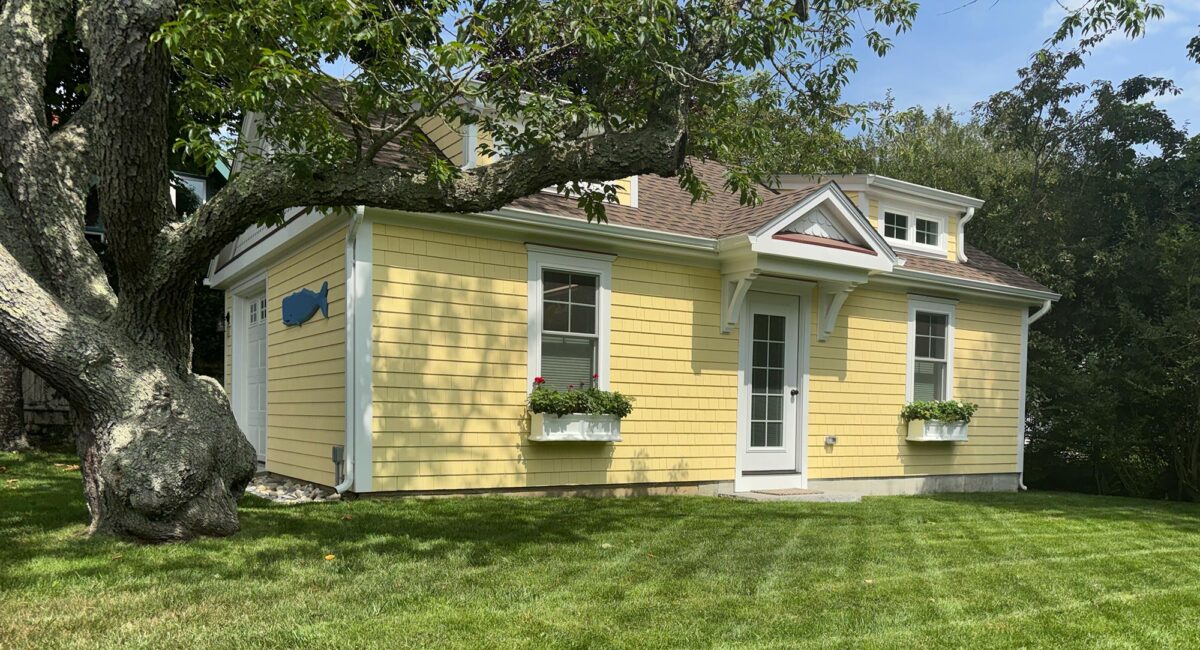
Frequently Asked Questions
What is an ADU?
An accessory dwelling unit is a separate living space located on the same property as a primary home. It generally includes its own sleeping area, bathroom, kitchen or cooking facilities, and living space.
What types of ADUs can Coyle Homes build?
Depending on the property and local regulations, possibilities may include an attached addition, a converted area within the home, space above a garage or a detached backyard residence. We can help identify which approach may be appropriate for your property.
Are ADUs allowed in Fairfield County, Connecticut?
ADU regulations vary among Fairfield County municipalities and may also depend on factors such as zoning, utilities, septic capacity and building codes. We’ll help you explore the requirements that apply to your location. Connecticut law also contains statewide provisions concerning accessory apartments, although municipal rules and permitted configurations must still be confirmed.
Are ADUs allowed in Westchester County, New York?
Rules differ among Westchester County’s cities, towns and villages. Some communities permit certain accessory units, while others impose different approval, occupancy or design requirements. Each property should be evaluated under its municipality’s current regulations.
Can I rent out my ADU?
Possibly. Long-term and short-term rental rules vary by municipality, and some communities place restrictions on how an ADU may be occupied. Local requirements should be confirmed before planning an ADU for rental use.
How long does it take to build an ADU?
The schedule depends on the type and size of the unit, site conditions, design decisions, utility work and the local approval process. After learning more about your property and goals, Coyle Homes can provide a clearer project timeline.
Can an ADU be designed for aging in place?
Yes. Features such as step-free access, wider doorways, an accessible bathroom, thoughtful lighting and easy-to-reach storage can make an ADU more comfortable for long-term living. These features are most effective when considered early in the design process.
How do I know whether my property is a good fit?
The best place to start is with a property-specific conversation. We’ll discuss your vision and review practical considerations that may affect the project.